Vinyl Floor Installation vs. Laminate: Which Is the Better Choice
People searching for vinyl floor installation vs. laminate often want to choose the best option for their space, and local contractors can help by providing expert installation and advice.
If you're exploring options for upgrading your floors, understanding the differences between vinyl floor installation and laminate flooring can help you make an informed decision. Property owners in the area often consider these choices based on factors like durability, appearance, and cost-effectiveness, especially when updating high-traffic areas or creating a specific aesthetic. As you read on, you'll find practical insights into each flooring type, along with how experienced local contractors can assist in delivering quality installation tailored to your needs.
Choosing between vinyl and laminate flooring involves weighing their unique benefits and limitations in real-world settings. Whether aiming for water resistance, ease of maintenance, or a particular style, local service providers are equipped to help evaluate your space and preferences. Keep reading to discover how these flooring options compare and how trusted local contractors can help achieve the best results for your property.
- Vinyl floor installation - homeowners considering durability and water resistance might seek this service, with local contractors focusing on seamless, moisture-resistant flooring solutions.
- Laminate floor installation - those wanting a cost-effective, easy-to-maintain option may turn to local service providers who specialize in quick, precise laminate setups.
- Vinyl vs. laminate flooring comparison - individuals researching which material suits their lifestyle often rely on local pros to help evaluate installation needs and material suitability.
- Bathroom or kitchen flooring projects - clients upgrading moisture-prone areas may need vinyl flooring installation handled by local experts experienced in waterproofing and resilient finishes.
- Living room or basement flooring - homeowners updating large spaces might contact local contractors for laminate or vinyl installation based on aesthetic preferences and installation complexity.
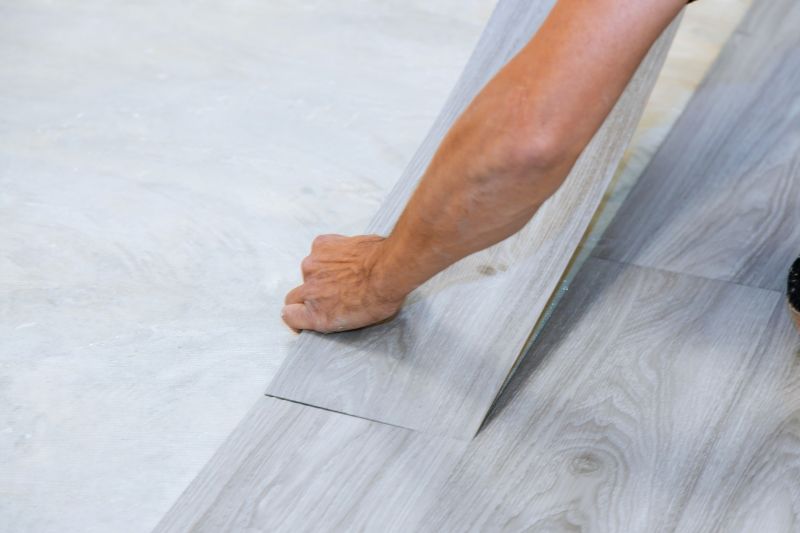
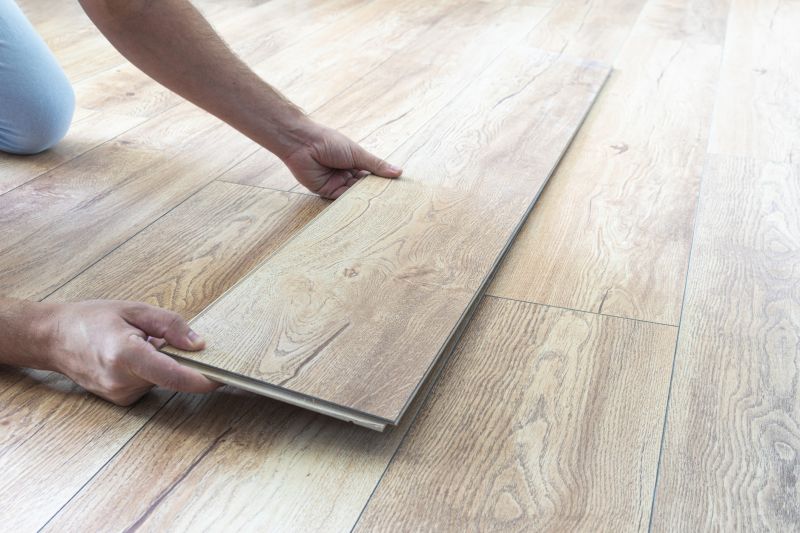
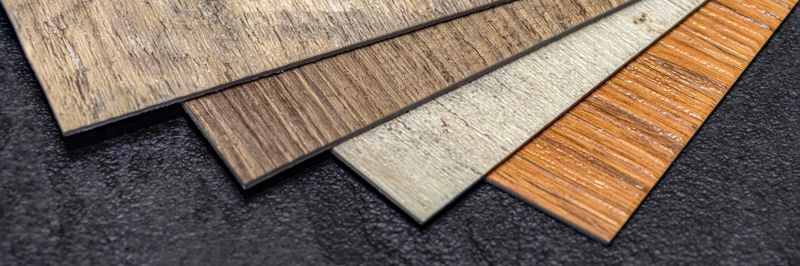
When homeowners explore options for updating their floors, they often search for comparisons between vinyl and laminate flooring to determine which material best suits their space. This topic typically arises during planning stages of remodeling or new property setups, especially when considering durability, appearance, and ease of installation. Many property owners are trying to decide whether to invest in a cost-effective, moisture-resistant solution or to choose a flooring that offers a more natural look and feel. These considerations are common in residential homes, including kitchens, basements, or family rooms, as well as in small commercial spaces like retail stores or offices. Understanding the differences helps homeowners evaluate how each flooring type aligns with their specific needs and how local flooring installation specialists can assist with the project.
People searching for vinyl floor installation vs. laminate often face common problems related to moisture exposure, wear and tear, and long-term maintenance. For example, a homeowner with a basement or bathroom may be concerned about water resistance, making vinyl flooring a more appealing choice. Conversely, those seeking a flooring option that mimics hardwood or stone might lean toward laminate, which can provide a more authentic appearance at a lower cost. Many plans involve replacing aging floors or installing new surfaces to improve the look and functionality of a space. These projects often require the expertise of local contractors who can recommend the best material based on the property’s use, environment, and aesthetic preferences, ensuring the installation is done properly and efficiently.
The types of properties that commonly come up in discussions about vinyl versus laminate flooring include residential homes, apartment complexes, retail storefronts, and small offices. In homes, kitchens and basements are typical areas where durability and moisture resistance are key factors, influencing the choice of vinyl over laminate. Apartments and rental units often favor flooring that’s easy to maintain and replace, making laminate or vinyl a practical solution. Commercial properties might prioritize durability and ease of cleaning, which can sway the decision toward vinyl flooring. Local service providers who specialize in vinyl and laminate floor installation can help property owners evaluate these factors, ensuring the chosen flooring complements the space’s function and style while providing a professional finish.
Choosing between vinyl and laminate flooring involves considering how each material fits into the specific project and property type. Homeowners often rely on local flooring installation contractors to assess their space, discuss the advantages and limitations of each option, and recommend the most suitable material. These professionals can help determine what will hold up best over time, match the desired aesthetic, and meet practical needs such as moisture resistance or ease of maintenance. Whether the goal is to create a cozy, natural look or to install a resilient, water-resistant surface, connecting with experienced local contractors ensures the installation process aligns with the project’s goals. Proper installation and expert advice are essential to achieving a finished floor that looks great and performs well for years to come.
Flooring Removal Services - Professionals skilled in removing existing flooring materials are essential for preparing surfaces for vinyl or laminate installation projects.
Subfloor Preparation - Ensuring a level and stable subfloor is a critical step that requires proper planning and tools, similar to those used in vinyl and laminate flooring services.
Underlayment Installation - Installing appropriate underlayment to enhance comfort and durability is a common service connected to both vinyl and laminate flooring projects.
Surface Repair and Leveling - Repairing uneven or damaged subfloors involves planning and skills that align with the requirements of vinyl and laminate flooring installation.
Measuring and Layout Planning - Accurate measurements and layout design are fundamental skills that support the successful installation of various flooring types.
Trim and Transition Strip Fitting - Installing baseboards, moldings, or transition strips complements flooring projects and requires similar craftsmanship and planning expertise.

When comparing service providers for vinyl floor installation versus laminate, it is important to evaluate their experience with similar projects. Homeowners should look for local contractors who have a proven track record of successfully completing flooring installations comparable to their specific needs. An experienced professional will understand the nuances of different flooring materials, ensuring that the chosen option-whether vinyl or laminate-will be installed properly and perform as expected over time. Reputable references or reviews from previous clients can provide insight into a contractor’s familiarity with these types of projects, helping to gauge their expertise and reliability.
Clear, written expectations are a vital part of choosing the right service provider. Homeowners should seek out local contractors who can provide detailed descriptions of the installation process, materials used, and what the client can expect at each stage. This transparency helps prevent misunderstandings and ensures that both parties are aligned on the scope of work. When evaluating different pros, it’s beneficial to ask for a comprehensive overview of their approach to vinyl versus laminate installation, including any specific considerations or challenges related to each material type.
Effective communication is essential when working with local contractors on flooring projects. Homeowners should prioritize service providers who are responsive, willing to answer questions, and able to explain technical aspects clearly. Good communication fosters a better understanding of the differences between vinyl and laminate flooring, including factors such as durability, maintenance, and appearance. Choosing a contractor who demonstrates professionalism and attentiveness can make the decision-making process smoother and help ensure that the installation aligns with the homeowner’s preferences and needs.
Property owners often search for vinyl floor installation vs. laminate: which is the better choice when they are planning practical projects around their homes and businesses. Local pros provide Vinyl Floor or Laminate Floor Installation services for everyday jobs and straightforward project options.
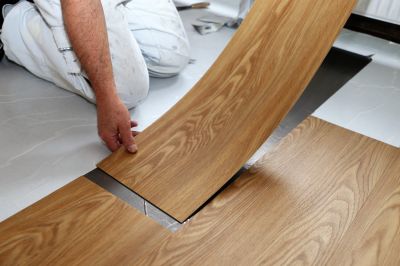
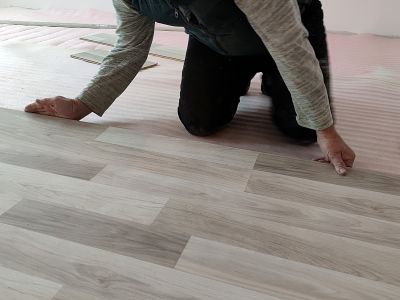
When property owners in the area are deciding between vinyl floor installation and laminate flooring, they often consider factors like durability, water resistance, and ease of maintenance. For busy households or spaces prone to moisture, vinyl flooring can be a practical choice due to its resilience against spills and humidity. Local contractors who specialize in vinyl installation can help ensure the flooring is properly laid out to withstand daily wear and tear, making it a popular option for kitchens, bathrooms, and high-traffic areas.
On the other hand, laminate flooring is frequently chosen for its affordability and wide range of styles that mimic natural wood or stone. Homeowners looking to upgrade their spaces without a significant investment may find laminate appealing, especially when installed by experienced service providers who can handle the installation process efficiently. Whether selecting vinyl or laminate, property owners in the area can connect with local contractors who are skilled in providing expert installation services tailored to their specific needs and preferences.
How do vinyl floor installation and laminate flooring compare in durability? Vinyl flooring generally offers higher water resistance and can be more durable against moisture, making it suitable for areas prone to spills. Laminate flooring is also durable but may be more susceptible to water damage if not properly installed or maintained. Local contractors can assess specific needs to recommend the best option for durability.
Which flooring type is easier to install-vinyl or laminate? Vinyl flooring tends to be easier to install, especially with peel-and-stick or click-lock options, which many local service providers can handle efficiently. Laminate flooring installation may require more precise cutting and fitting, often needing professional expertise for a seamless look.
Are there differences in maintenance for vinyl and laminate floors? Vinyl floors are generally easier to maintain and clean with simple sweeping and mopping. Laminate floors require gentle cleaning methods to prevent damage to the surface. Local flooring pros can provide advice on proper care for each type.
What are the aesthetic options available with vinyl and laminate flooring? Both vinyl and laminate flooring come in a wide variety of styles, colors, and patterns. Vinyl can mimic natural materials like stone or wood, while laminate offers realistic wood-like appearances. Local contractors can help choose the style that best matches the desired look.
How do vinyl and laminate flooring compare in terms of comfort underfoot? Vinyl flooring often provides a softer, more cushioned feel, especially with added underlayment. Laminate flooring tends to be firmer but can be comfortable depending on the subfloor and underlayment used. Local service providers can recommend suitable options for comfort preferences.
Assessing durability needs - Property owners can evaluate the expected foot traffic and choose between vinyl or laminate flooring based on which option offers better resistance for their space.
Considering moisture resistance - For areas prone to spills or humidity, local contractors can recommend vinyl flooring for its superior water resistance compared to laminate.
Matching style with function - Homeowners can explore different design options with local service providers to select a flooring type that complements their interior aesthetic while meeting practical needs.
Planning for installation conditions - Property owners can discuss subfloor and room conditions with local pros to determine which flooring type will install more smoothly and last longer in their specific environment.
If you are thinking about vinyl floor installation vs. laminate: which is the better choice for a property, this guide is meant to help you understand this topic, the typical project types, and how different options might fit your plans.
When you are ready, you can use the quote form on this page to share a few details about your project. From there, local pros can review the basics and follow up with options that match what you have in mind.